
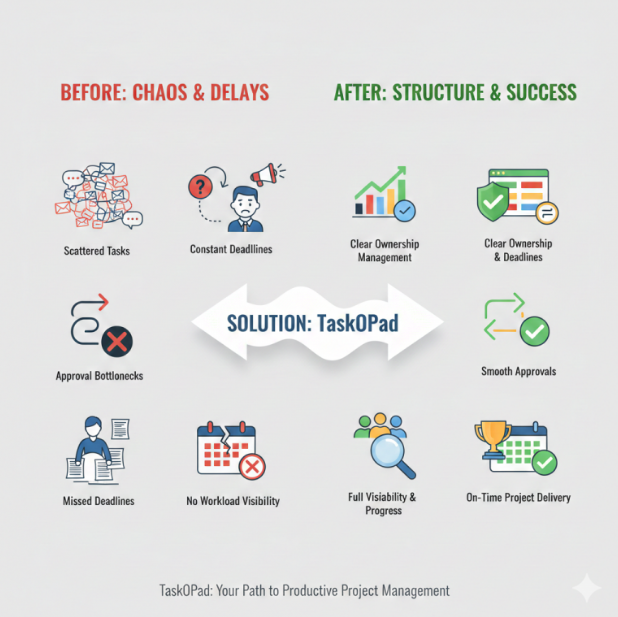

So much effort goes into planning a project properly, from defining the scope and setting timelines to assigning responsibilities. Yet once execution begins, tracking can easily take a back seat. This is often when delays, missed tasks, and communication gaps start appearing. Without consistent oversight, even well-planned projects can drift away from their original goals. That is why ongoing project tracking deserves the same level of attention as the planning stage, helping teams stay aligned and address issues before they become bigger problems.
Why Planning Gets All the Attention, and Execution Doesn’t
Kick-off meetings, detailed project plans, and carefully mapped timelines tend to receive a lot of upfront focus, largely because this is when stakeholders are most engaged and enthusiasm is high. But a plan is only as good as the execution that follows it, and once the day-to-day grind of actual work begins, that same level of attention to detail often fades. Teams get busy, priorities shift, and without a proper tracking system in place, the original plan can quietly drift away from what’s actually happening on the ground.
What Happens Without Ongoing Tracking
When tracking falls by the wayside after a project begins, several predictable problems tend to emerge:
- Tasks get missed or forgotten simply because no one is actively monitoring their status
- Deadlines slip without anyone noticing until it’s too late to course-correct
- Team members duplicate work because there’s no clear visibility into what others are doing
- Stakeholders lose confidence when status updates become vague or inconsistent
- Small issues compound into larger problems by the time they’re finally noticed
How Project Tracking Software Keeps Teams Accountable
Continuous, real-time visibility into how a project is actually progressing against its original plan is essential for keeping execution on track. Rather than relying on periodic status meetings or ad hoc updates, project tracking software allows everyone involved to see current task status, upcoming deadlines, and any emerging bottlenecks at any given moment. This ongoing accountability considerably reduces the chances of a project silently drifting off course.
The Role of a Task Management App Day to Day
A task management app turns broader project plans into clear, actionable work for each team member. It helps teams stay focused on priorities while keeping individual responsibilities connected to overall project progress.
Individual Task Visibility Within the Bigger Plan
While project tracking software gives the bird’s-eye view, a good task management Tool brings this down to the individual level, where actual work gets done. Each team member can see exactly what’s expected of them, by when, and how their individual tasks connect to the wider project timeline. This granular visibility means team members aren’t just working in isolation, they understand how their piece fits into the larger picture, which itself tends to improve accountability and ownership.
How a Task Management App Supports Consistent Project Execution
A task management app helps turn project tracking into a practical daily routine rather than something teams only review during meetings. By keeping assignments, priorities, deadlines, updates, and responsibilities in one place, it gives team members a clear view of what needs attention while helping managers see whether work is progressing as planned.
Instead of waiting for the next status meeting to identify delays, teams can use the app to keep task progress updated as work happens. This makes it easier to spot overdue work, redistribute responsibilities when needed, and keep individual tasks connected to broader project milestones.
Signs Your Project Has Lost Track Mid-Way
A few warning signs typically indicate that a project has drifted from proper tracking:
- Status updates have become vague, general statements rather than specific progress reports
- Team members seem unsure about current priorities or deadlines
- Stakeholders are asking for updates more frequently, sensing something is off
- Tasks that were supposedly “in progress” weeks ago show no visible movement
- Meetings increasingly focus on figuring out where things stand rather than planning next steps
Recognising these signs early allows a team to reintroduce proper tracking before the project falls too far behind.
Building a Simple Tracking Habit
| Practice | Why It Helps |
| Daily or weekly task status updates | Keeps visibility current rather than stale |
| Clear task ownership | Removes ambiguity about who’s responsible |
| Regular milestone check-ins | Catches drift early before it compounds |
| Centralised tracking, not scattered updates | Ensures everyone sees the same accurate picture |
Building these habits into the team’s routine, rather than treating tracking as a one-time setup, is what genuinely keeps a project on course throughout its lifecycle, not just at the start.
Making Tracking a Continuous Practice, Not a One-Time Setup
The teams that consistently deliver projects successfully tend to treat tracking as an ongoing discipline rather than a box ticked at the planning stage. This means checking in regularly, addressing small deviations before they grow, and keeping the whole team aligned around current, accurate status rather than an outdated plan from weeks earlier.
Conclusion
A project’s success depends far more on what happens after the plan is created than on the plan itself. Consistent tracking helps keep execution focused, deadlines visible, and responsibilities clear throughout the project. TaskOPad Solutions Private Limited gives teams the ongoing visibility they need to monitor progress, identify potential delays, and maintain accountability from project kick-off through to successful completion. This makes it easier for teams to stay aligned and keep work moving towards the intended goals.